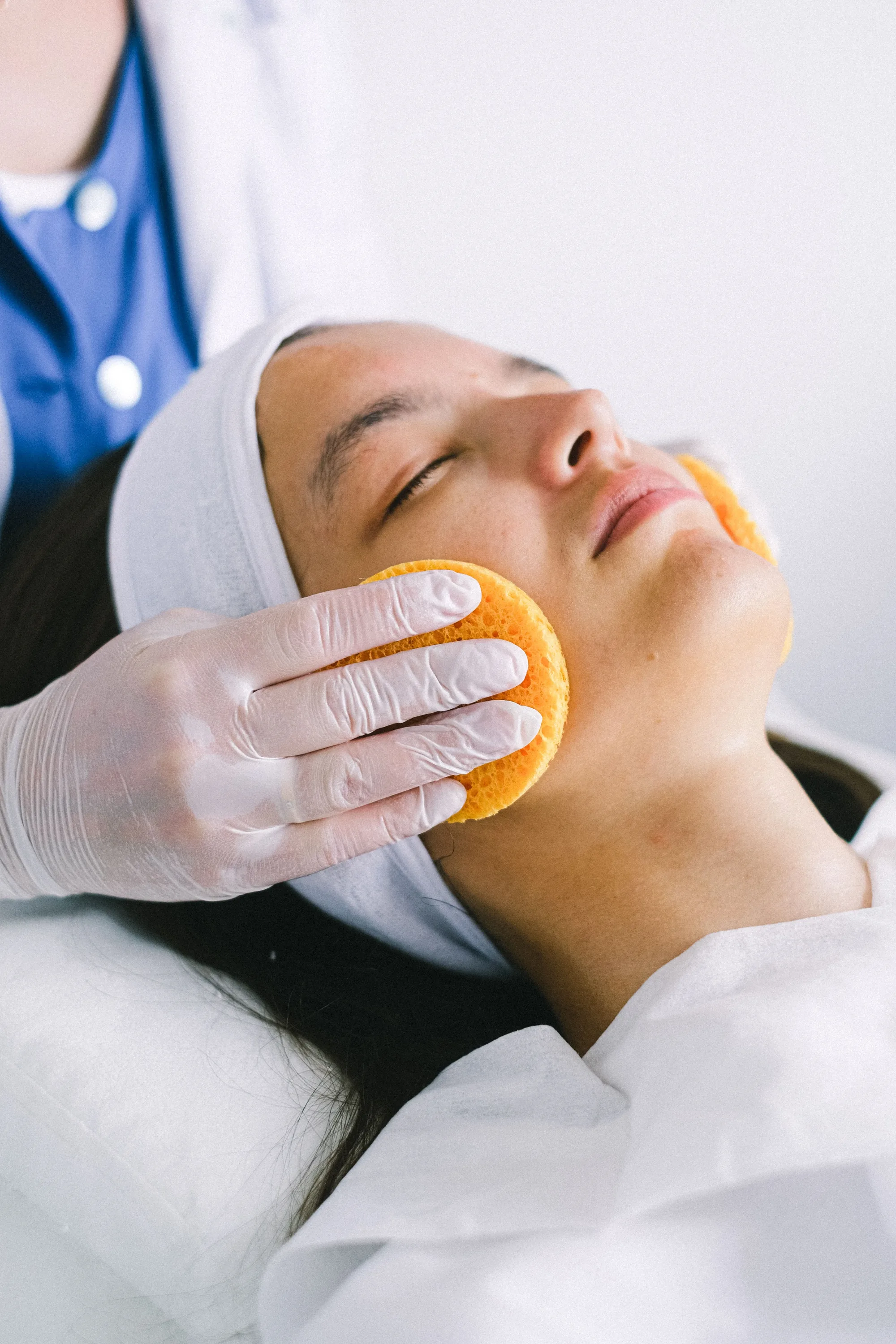
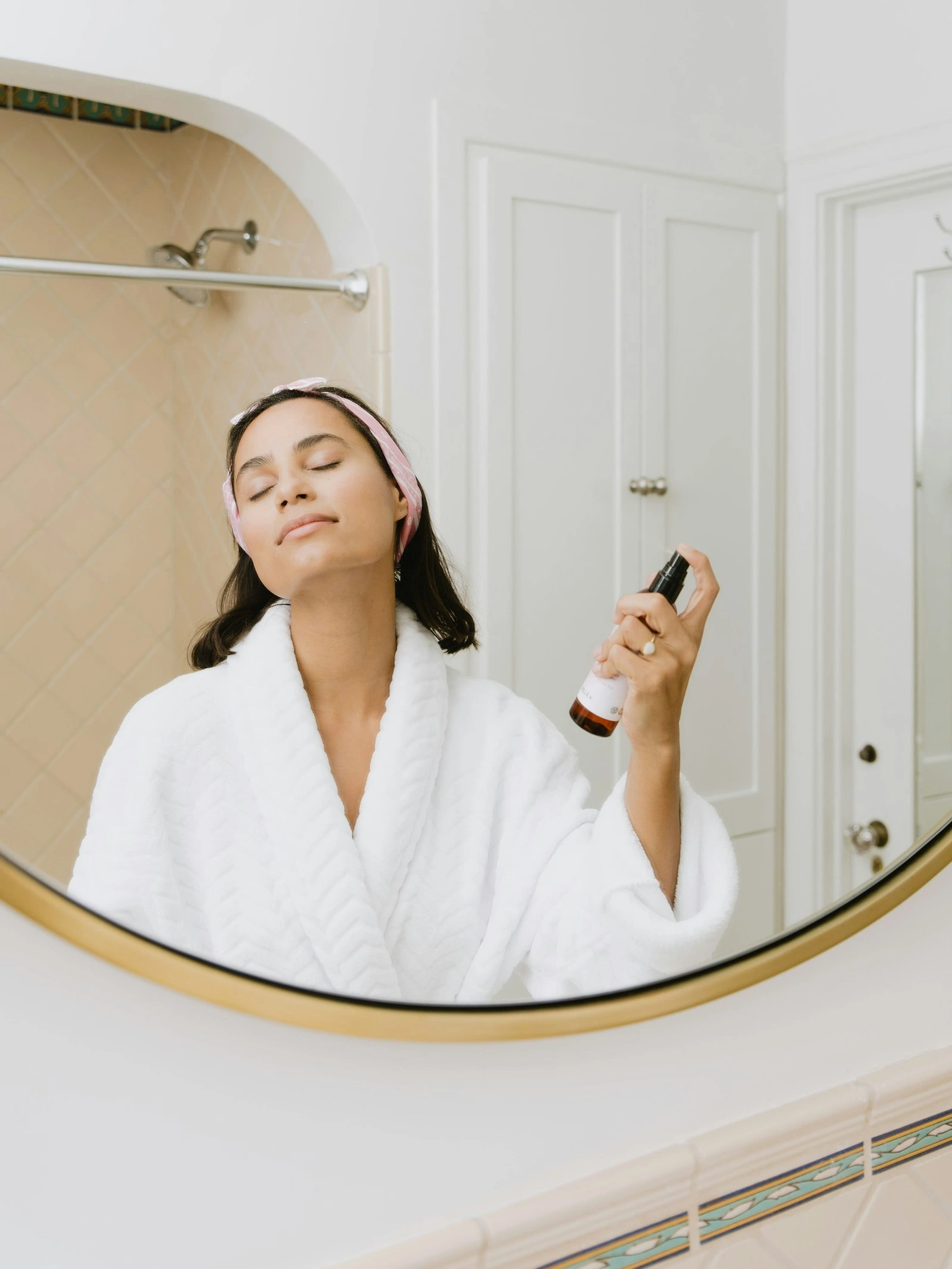
Sunday 18 October is World Menopause Day. And if you'd asked me a few years ago what menopause meant, I'd have said hot flushes, and probably not much else.
Nobody mentioned my skin.
Now I'm living through perimenopause myself, and most of the women who sit in my studio chair in Ashford are somewhere on the same road. So this year I want to use the day to talk about the skin changes that catch us off guard, and the small, realistic things that make a difference.
Why your skin changes at all
Oestrogen does a lot of quiet work for your skin. It helps it hold on to water, supports collagen, and keeps the barrier doing its job. As levels start to fall in perimenopause, the skin feels it, often before anything else does.
Research reviews suggest skin can lose around 30% of its collagen in the first five years after menopause [1]. That isn't a reason to panic. It's a reason to understand what's going on, so you can stop blaming yourself or your skincare.
1. Dryness that your moisturiser can't fix
This is the one I hear most. "My skin just drinks everything." The barrier gets weaker, water escapes more easily, and products that worked for years suddenly feel like nothing.
What helps: a gentler cleanser, a richer moisturiser, and fewer harsh actives fighting each other. Often it's about taking things away, not adding more.
2. Breakouts you thought you'd left behind
Spots at 45 feel deeply unfair. Shifting hormones can bring back breakouts around the chin and jaw, sometimes alongside dryness, which makes it confusing to know what to use.
What helps: resist the urge to strip your skin. Calm and support it instead, and get advice before you reach for anything aggressive.
3. Skin that looks tired, even when you're not
Dullness, uneven tone and a slightly crepey texture are really common. Cell turnover slows down, so your skin doesn't refresh itself as quickly as it used to.
What helps: regular, gentle exfoliation and treatments that work on skin quality rather than changing your face.
4. Sensitivity out of nowhere
Products you've used for years can suddenly sting. Redness and flushing can creep in too. A weaker barrier lets more irritants through.
What helps: patch test anything new, keep your routine simple, and wear SPF every single day, even in a Kent October.
5. Slower healing
Skin takes longer to recover in your 40s and 50s. That matters for everything from a scratch to a treatment, so a good practitioner should plan your sessions around it.
What I actually recommend
Every face is different, so this always starts with a proper consultation. But these are the treatments I talk about most with perimenopausal and menopausal clients in the studio:
Microneedling to encourage the skin's own repair processes and improve texture over a course of sessions.
Skin boosters such as Profhilo and Seventy Hyal, for hydration and skin quality rather than volume.
Polynucleotides to support tired, thinning skin, especially around the eyes.
Peels chosen carefully for sensitive, changing skin.
Tropic facials and homecare, because what you do at home between appointments counts just as much.
None of these will turn back the clock, and I'd never promise that. What they can do is help your skin feel more comfortable and look more like you again. Fresher, not different.
A gentle word for World Menopause Day
If you take one thing from this, let it be this: your skin isn't failing, and neither are you. Your body is changing, and your skincare is allowed to change with it.
I didn't build Novauria to sell anyone a quick fix. I built it so women in Ashford and across Kent have somewhere calm and honest to come and talk about this stuff. Somewhere you won't be judged for not knowing where to start.
If any of this sounds familiar, I'd love to chat. You can book a consultation through the website, or DM me "GLOW" on Instagram and we'll work out together what your skin actually needs.
Liz x
Source: [1] Calleja-Agius J. et al., Skin ageing, University of Malta research repository, summarising Brincat et al. on post-menopausal collagen loss. This post is general information, not medical advice. Results vary from person to person.